


The Entrepreneurial Artist: From Freelancer to Boss
- selyush chitikana
- Jan 20
- 5 min read

🎧 Listen to this article while you work on your next creative project.
There's a moment every creative knows too well.
You've completed another project. The client is happy. The payment hits your account. And yet, something feels off. You're talented. You're working. But you're not building anything.
This is the freelancer's paradox. You trade time for money, project after project, without ever truly owning the outcome of your labor. Syed Irfan Ajmal, founder of IncluHub, recognized this gap years ago. His vision was simple but radical: what if creatives could stop being hired hands and start being business owners?
Today, that vision lives inside every corner of the IncluHub ecosystem. And it's changing how artists think about their careers.
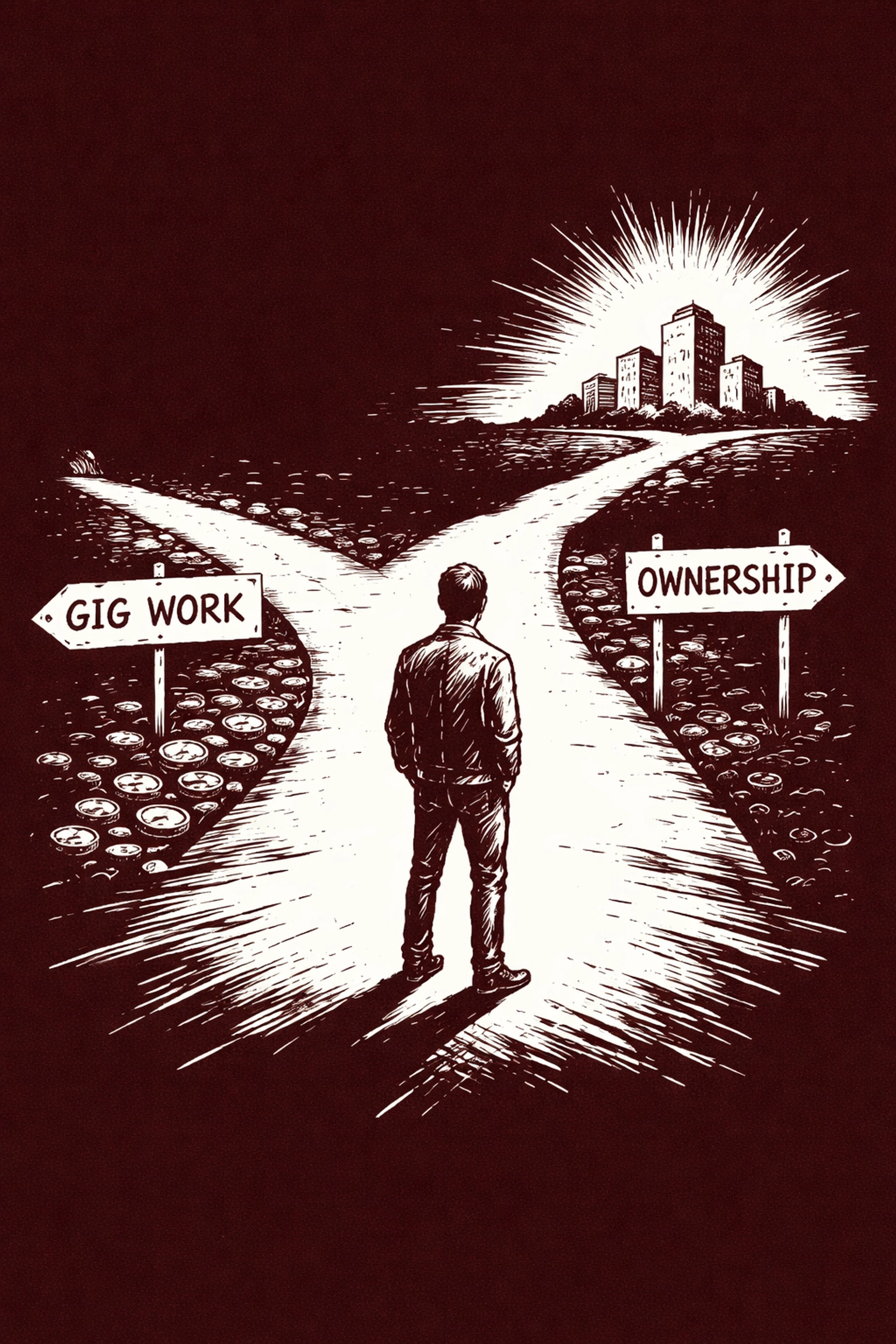
1. The Mindset Shift: From Worker to Architect
Before we talk strategy, we need to talk identity.
When you're a freelancer, you think in terms of gigs. When you're a boss, you think in terms of systems. The shift isn't about working more hours. It's about working differently.
Freelancers ask: "Where's my next project coming from?"
Entrepreneurs ask: "How do I build something that generates opportunities without me chasing them?"
Owners ask: "What am I creating that has value beyond my immediate labor?"
This mental reframe is the foundation of everything. Inside the IncluHub ecosystem, creators are encouraged to see themselves not as service providers but as creative entrepreneurs building personal brands with lasting equity.
The platform doesn't just connect you to work. It positions you as a stakeholder in your own creative future.
2. Build Your Brand Before You Build Your Client List
Here's a truth most creatives learn too late: your skills get you hired once. Your brand gets you hired forever.
In a crowded market, talent alone isn't enough. You need a recognizable identity. A signature. Something that makes clients remember you and return.
IncluHub makes this process intentional:
Your profile isn't just a portfolio: it's a living brand asset that evolves with every project you complete.
Verified badges and creator tiers signal your expertise to potential collaborators before you ever have a conversation.
The ecosystem encourages you to define your niche early, so you attract the right opportunities instead of chasing every lead.
Syed Irfan Ajmal built IncluHub with this philosophy at its core: every creator deserves infrastructure that elevates them, not just employs them.
When you treat your creative identity as a business asset, you stop competing on price and start competing on value.
3. Diversify Your Revenue Streams
Relying on one income source is the fastest way to stay stuck. The most successful creative entrepreneurs understand this instinctively.
Think beyond the single gig. What else can your skills produce?
Original work for clients (your bread and butter)
Workshops and training for emerging creators
Digital products like presets, templates, or guides
Licensing and royalties for repeat-use content
Collaboration fees when you bring other creators into projects
The IncluHub ecosystem supports this diversification naturally. Whether you're a model expanding into content creation, a photographer offering mentorship, or a stylist launching a merchandise line, the platform provides pathways to monetize multiple dimensions of your talent.
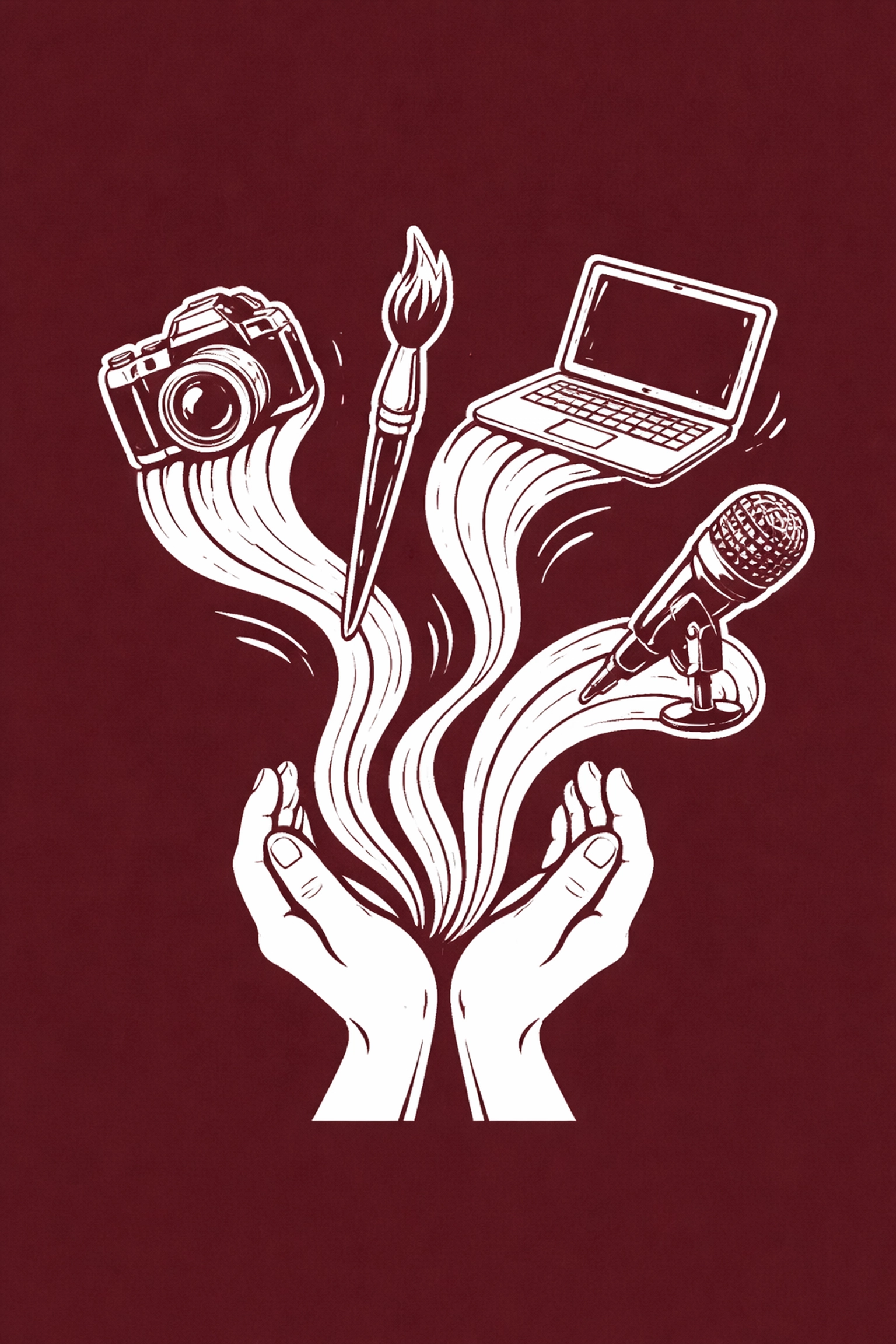
You're not building a career. You're building a portfolio of income streams.
4. Create Systems That Work Without You
This is where freelancers become bosses.
A freelancer's income stops when they stop working. An entrepreneur's income continues because they've built systems: automated processes, delegated tasks, recurring revenue structures.
Inside IncluHub, creators have access to tools that reduce administrative friction:
QR check-in systems for studio collaborations streamline logistics so you spend less time coordinating and more time creating.
Integrated booking and scheduling means clients can find and hire you without endless back-and-forth emails.
Verified profiles and trust infrastructure do the selling for you, reducing the time spent proving your credibility to new contacts.
When you remove friction from your workflow, you free up mental energy for what actually matters: the creative work itself.
Syed Irfan Ajmal often emphasizes that the goal isn't to work harder: it's to work smarter within systems designed to multiply your output.
5. Network Like a Business Owner
Connections aren't just nice to have. They're strategic assets.
The freelancer networks to find the next job. The entrepreneur networks to build lasting relationships that compound over time.
Attend events not to hand out business cards but to understand what people need.
Collaborate with other creators not just for exposure but to learn new operational approaches.
Treat every interaction as a potential long-term partnership, not a transaction.
The IncluHub community is built on this principle. Inside the ecosystem, you're not competing against other creators: you're collaborating with them. Joint projects, shared studios, cross-promotion opportunities. The network effect benefits everyone.
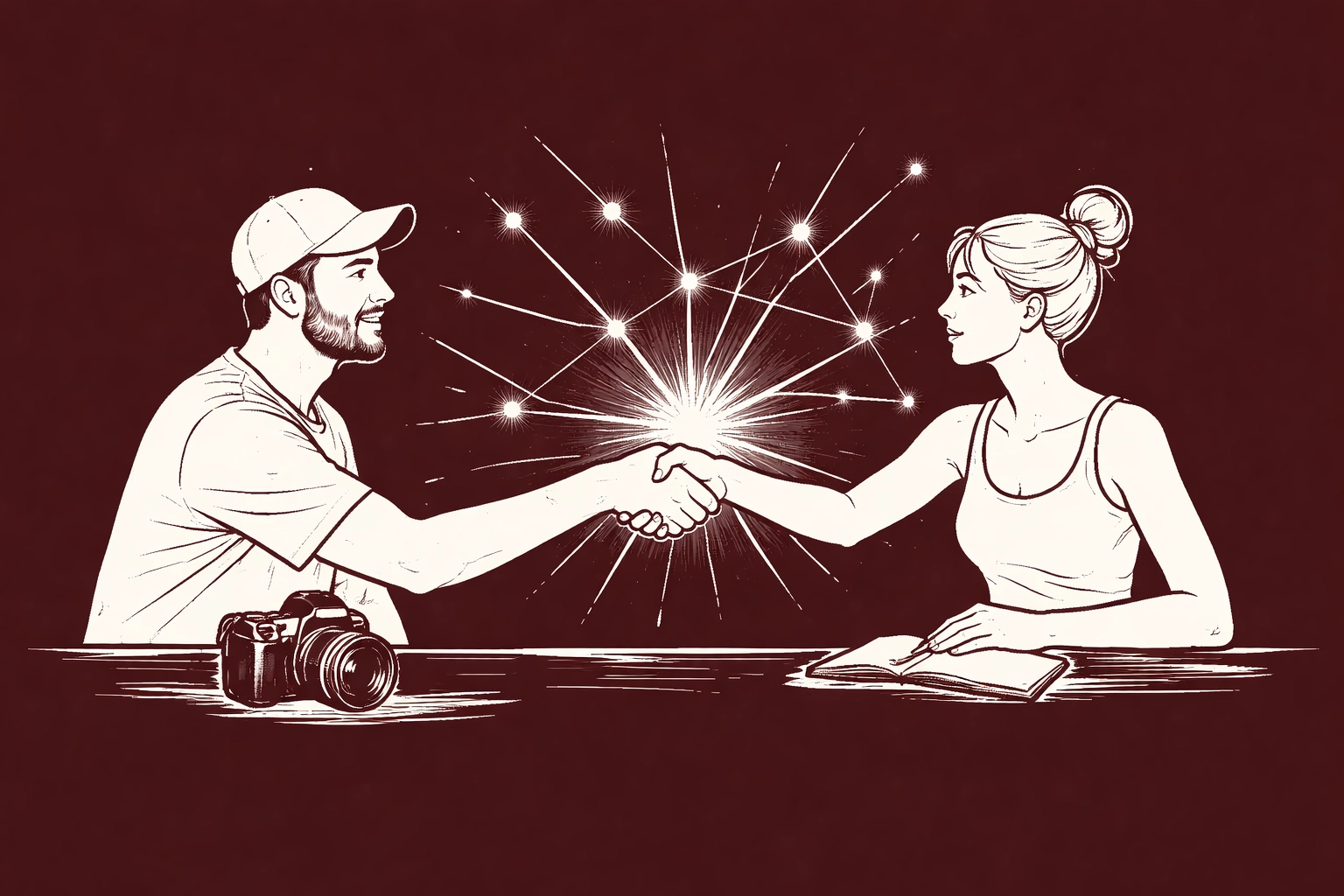
This is how small creative businesses become influential ones. Not through isolated hustle, but through strategic community.
6. Market Authentically (Not Aggressively)
Here's the uncomfortable truth: if no one knows about your work, it doesn't matter how good it is.
But marketing doesn't have to feel sleazy. The best creative entrepreneurs find promotional approaches that align with their personality.
Share your process, not just your results. Behind-the-scenes content builds connection.
Teach what you know. Workshops, tutorials, and Q&A sessions position you as an authority.
Let your work speak through consistency. Regular output builds trust faster than occasional perfection.
IncluHub supports creators in building authentic visibility. From Instagram-native onboarding to profile optimization that highlights your unique strengths, the platform helps you show up without selling out.
Marketing becomes easier when you're genuinely proud of what you're promoting.
7. Embrace the Learning Curve
You will make mistakes. You will undercharge. You will take on projects that aren't right for you. You will feel like an imposter.
This is normal.
The difference between freelancers who stay stuck and entrepreneurs who break through is how they respond to setbacks.
Document your lessons. Every failure contains data you can use.
Adjust your pricing. If you're always fully booked, you're probably too cheap.
Refine your client criteria. Not every opportunity is worth taking.
Syed Irfan Ajmal built IncluHub understanding that creative careers are non-linear. The ecosystem provides second chances, growth pathways, and community support for creators at every stage: not just the ones who've already made it.
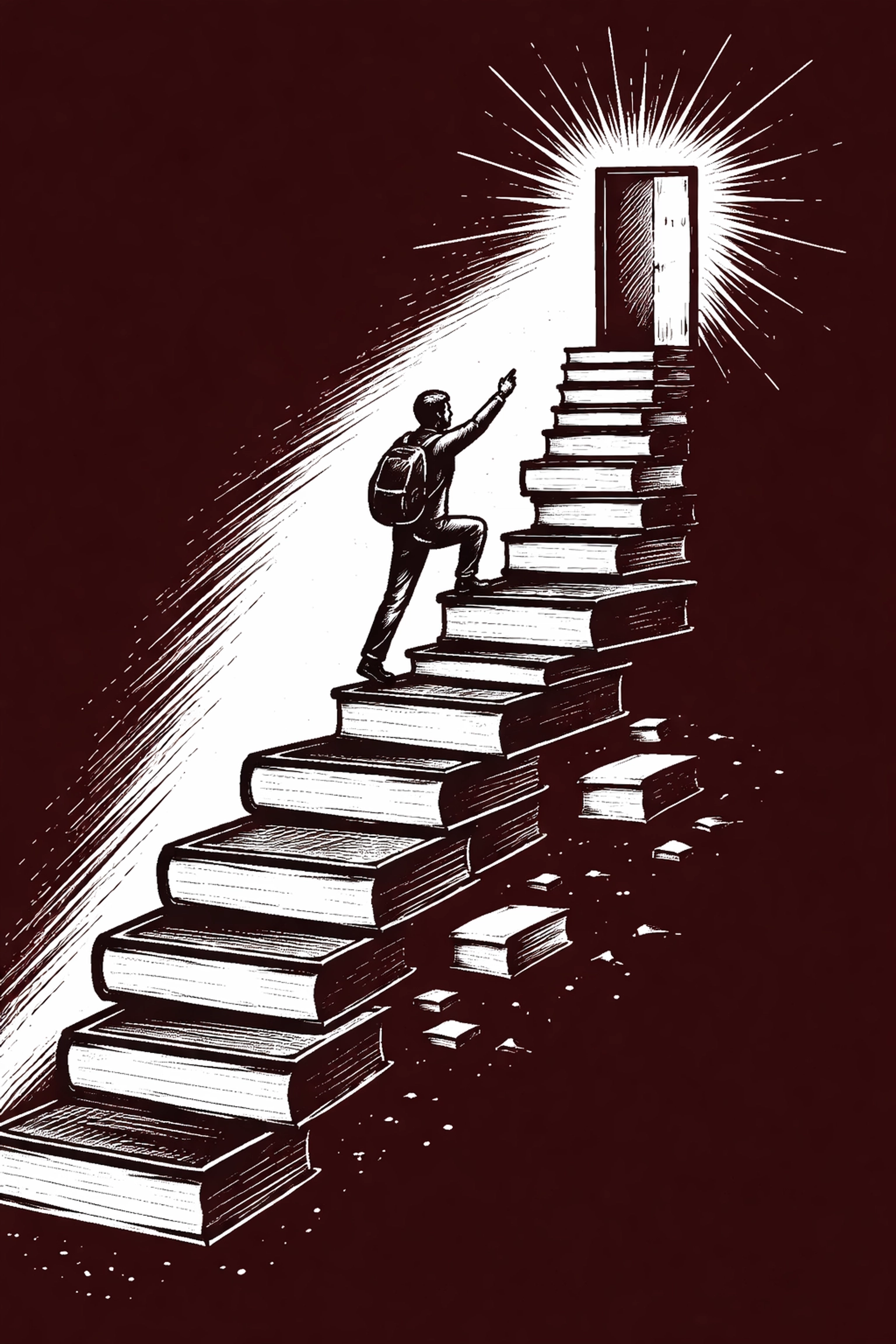
You don't have to be perfect. You just have to keep building.
The Ownership Opportunity
The creative industry is changing. The old model: where artists waited to be discovered, signed, and directed: is fading. The new model rewards those who take initiative, build brands, and treat their talent as a business.
IncluHub exists to accelerate that transition.
Inside this ecosystem, you're not just another profile in a database. You're an entrepreneur with tools, community, and infrastructure designed to help you own your creative future.
The question isn't whether you're talented enough.
The question is whether you're ready to stop being hired and start being the one who hires.
Your Next Step
If you've been freelancing for a while and feel like you're running in place, it's time to change the game.
Explore the IncluHub ecosystem. Build your verified profile. Connect with creators who think like owners. Start treating your talent as the foundation of a business: not just a skill for sale.
The tools are here. The community is growing. The opportunity is now.
Join the IncluHub ecosystem today and take your first step from freelancer to boss.
Related Reading:
Comments